![firefly_logo_FINAL [Black].jpg](https://images.squarespace-cdn.com/content/v1/5411d5c0e4b02e1c8b27565a/1434491508803-XB4OF7YDY46Z72L5U5AP/firefly_logo_FINAL+%5BBlack%5D.jpg)
Precision Cuvettes at the Edge of the World: FireflySci Dye Laser Cells Power the STAR Na Doppler LIDAR
/
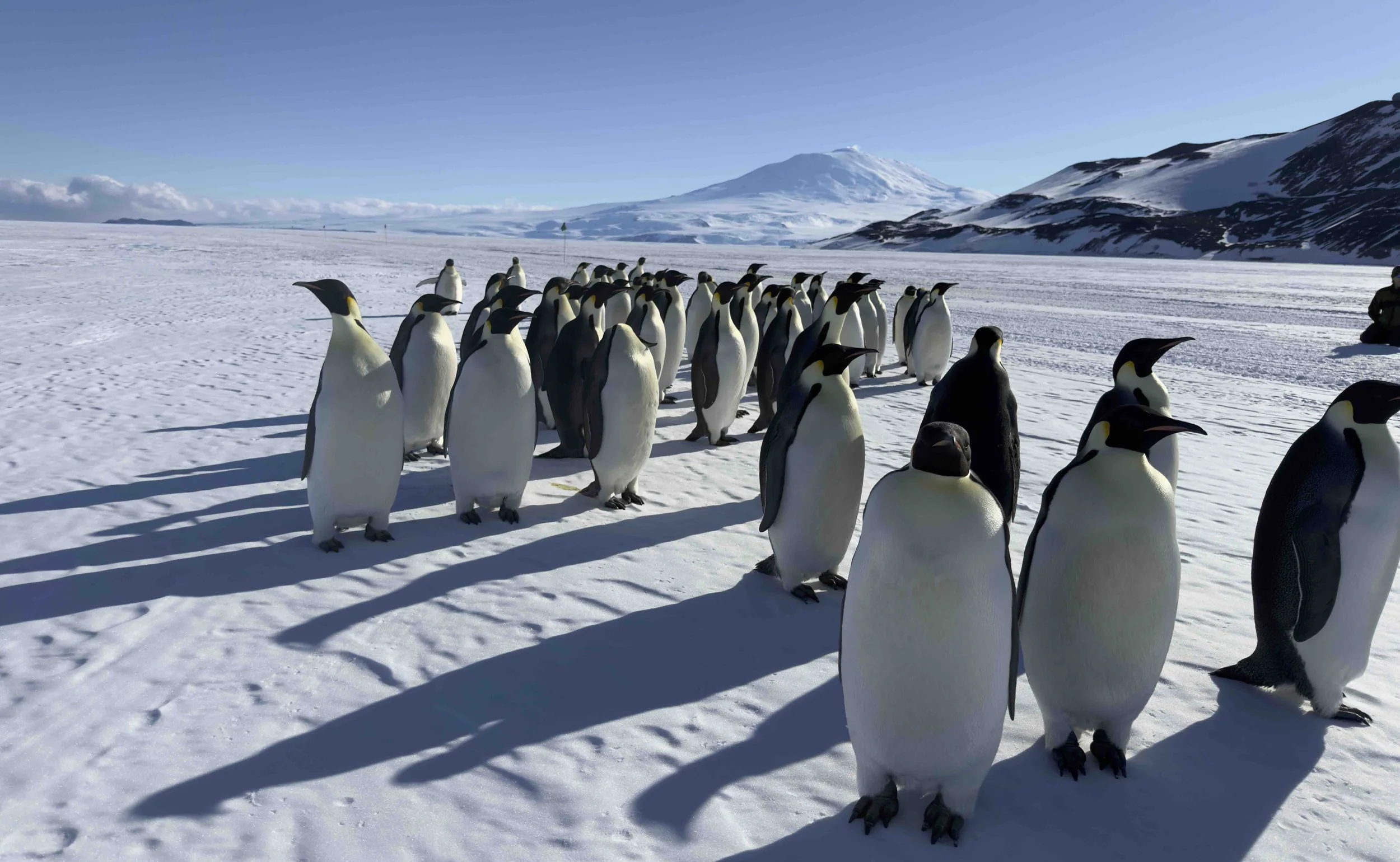

At McMurdo Station, Antarctica—one of the most remote and challenging environments on Earth—precision optics quietly enable some of the world’s most advanced atmospheric measurements. During the 2025–2026 Antarctic field season, FireflySci dye laser cells played a critical role in laser systems used to probe the upper atmosphere and near-space environment, supporting groundbreaking research led by Professor Xinzhao Chu and her team at the University of Colorado Boulder.
Probing the Boundary Between Earth and Space
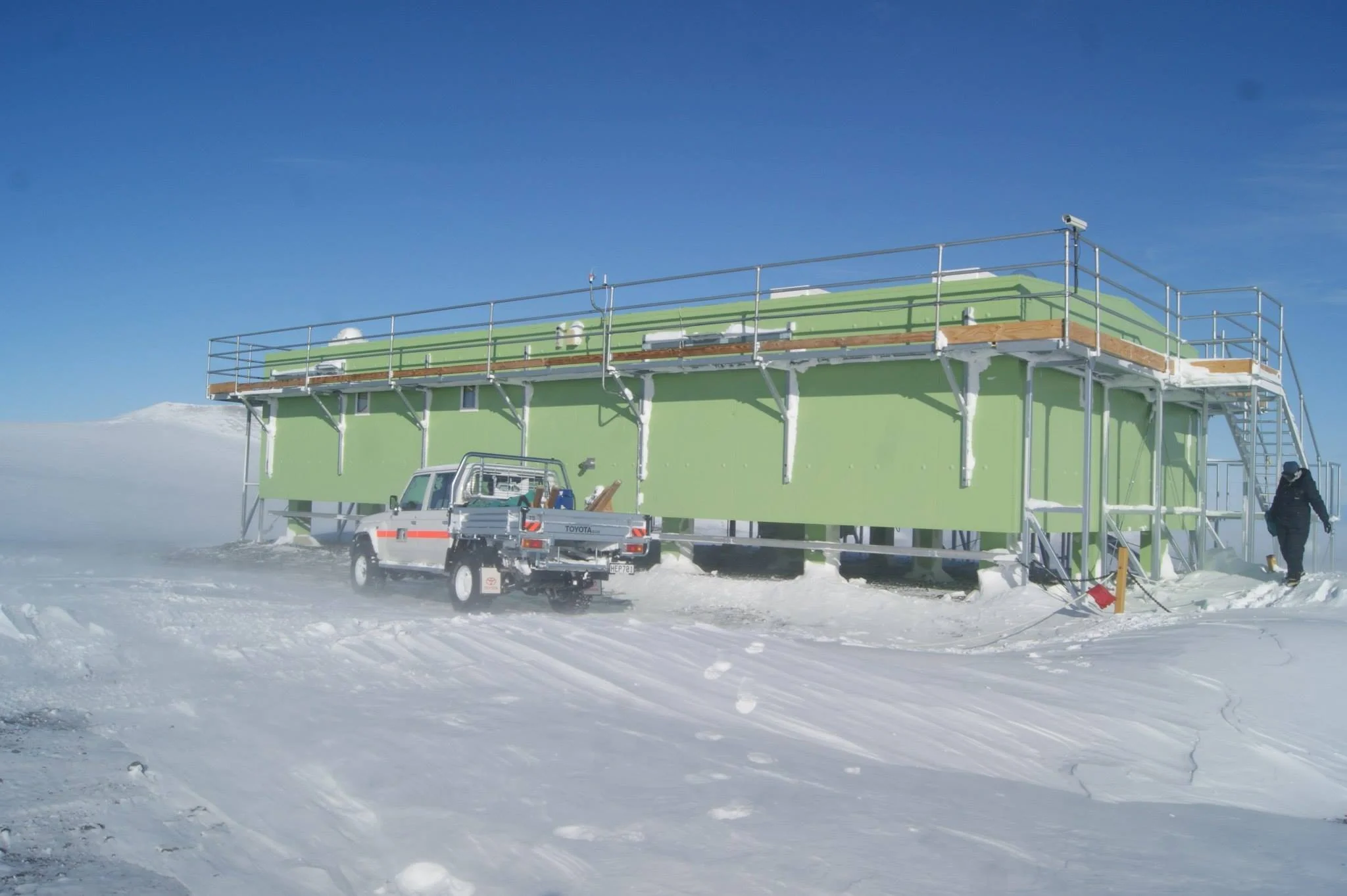
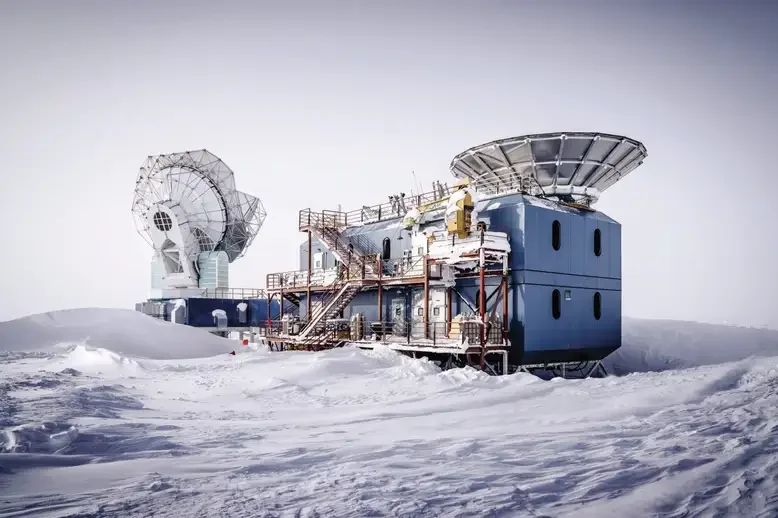
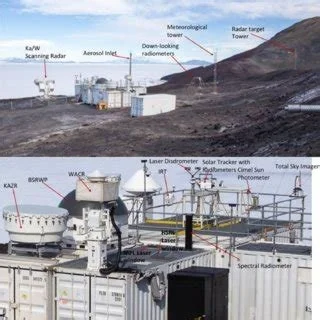
Professor Chu’s group operates two sophisticated lidar systems at McMurdo Station: a Sodium (Na) Doppler lidar and an Iron (Fe) Boltzmann lidar. Together, these instruments probe neutral metal atoms—sodium (Na) and iron (Fe)—that exist in the upper atmosphere as a result of cosmic dust (meteors) burning up as they enter Earth’s atmosphere.
These metal atoms serve as natural tracers for a critically important but extremely difficult-to-observe region: the space–atmosphere interaction zone, which separates interplanetary space from the lower atmosphere and biosphere and plays a key role in protecting life on Earth.
Using laser spectroscopy techniques, the lidar systems measure:
Metal atom densities
Atmospheric temperatures
Vertical winds
This enables the study of a wide range of scientific phenomena, including:
Cosmic dust and metal layers
Gravity, tidal, and planetary waves
Polar mesospheric and stratospheric clouds
Plasma–neutral coupling and geomagnetic storms
Long-term changes in Earth’s polar space–atmosphere system
Data from the McMurdo lidar systems have supported numerous groundbreaking discoveries, benefiting both Professor Chu’s team and the broader scientific community.
The STAR Na Doppler LIDAR and the Role of Dye Laser Cells
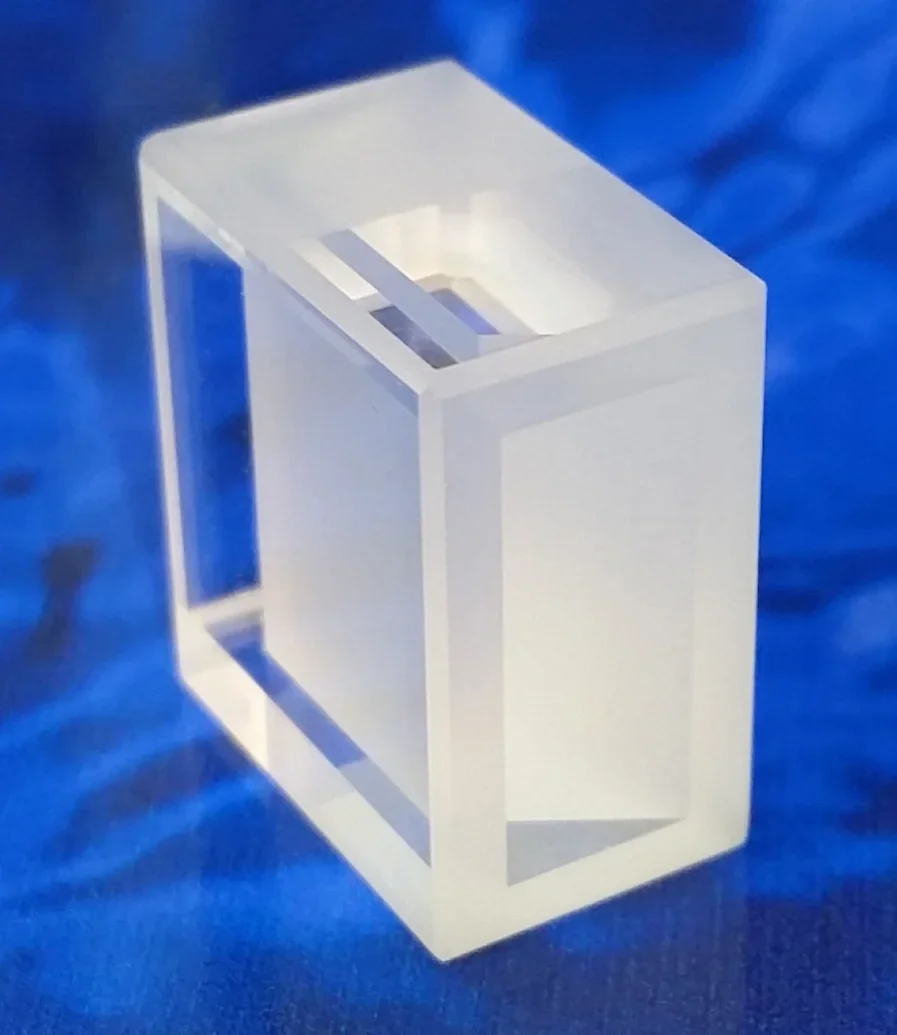
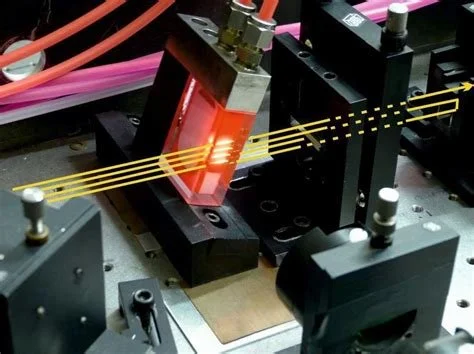
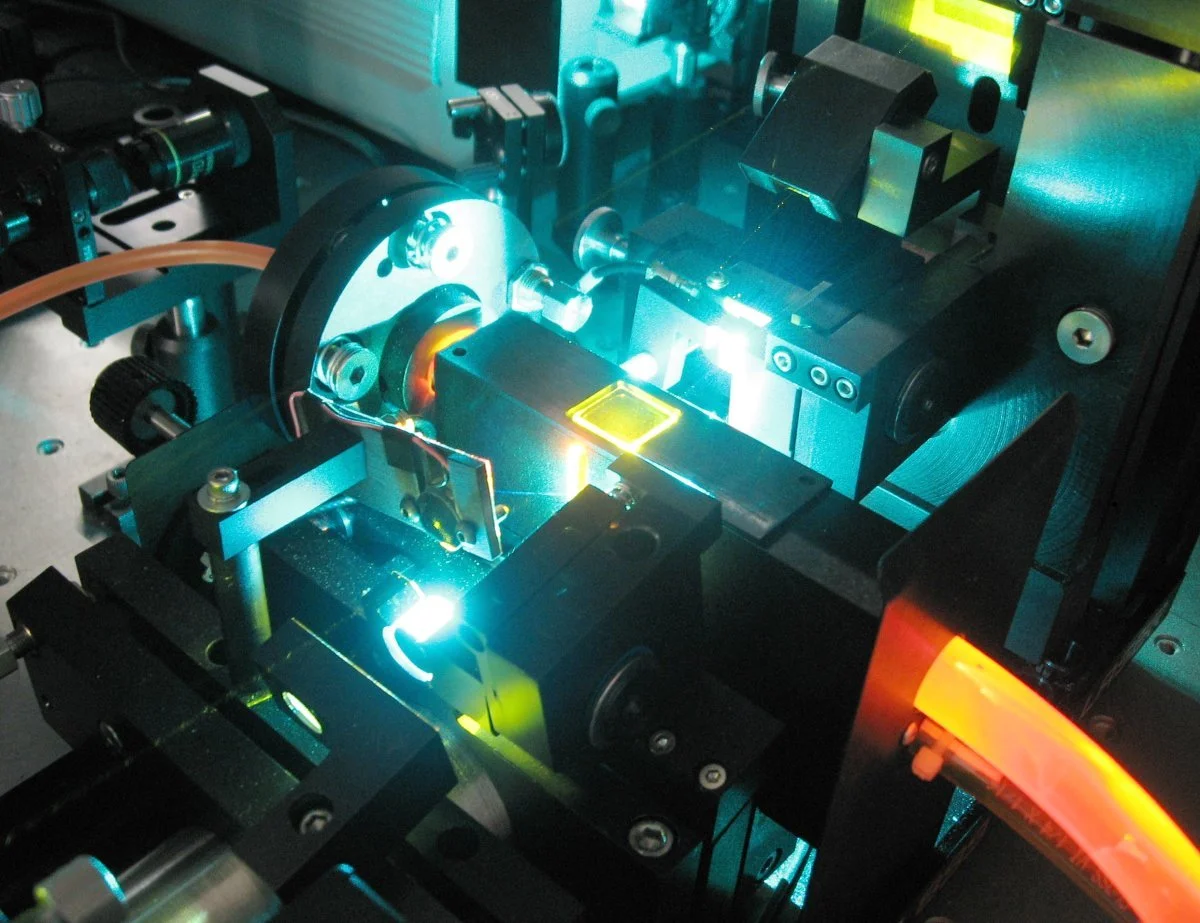
The STAR Na Doppler LIDAR system incorporates FireflySci dye laser cells selected for their reliability and optical precision:
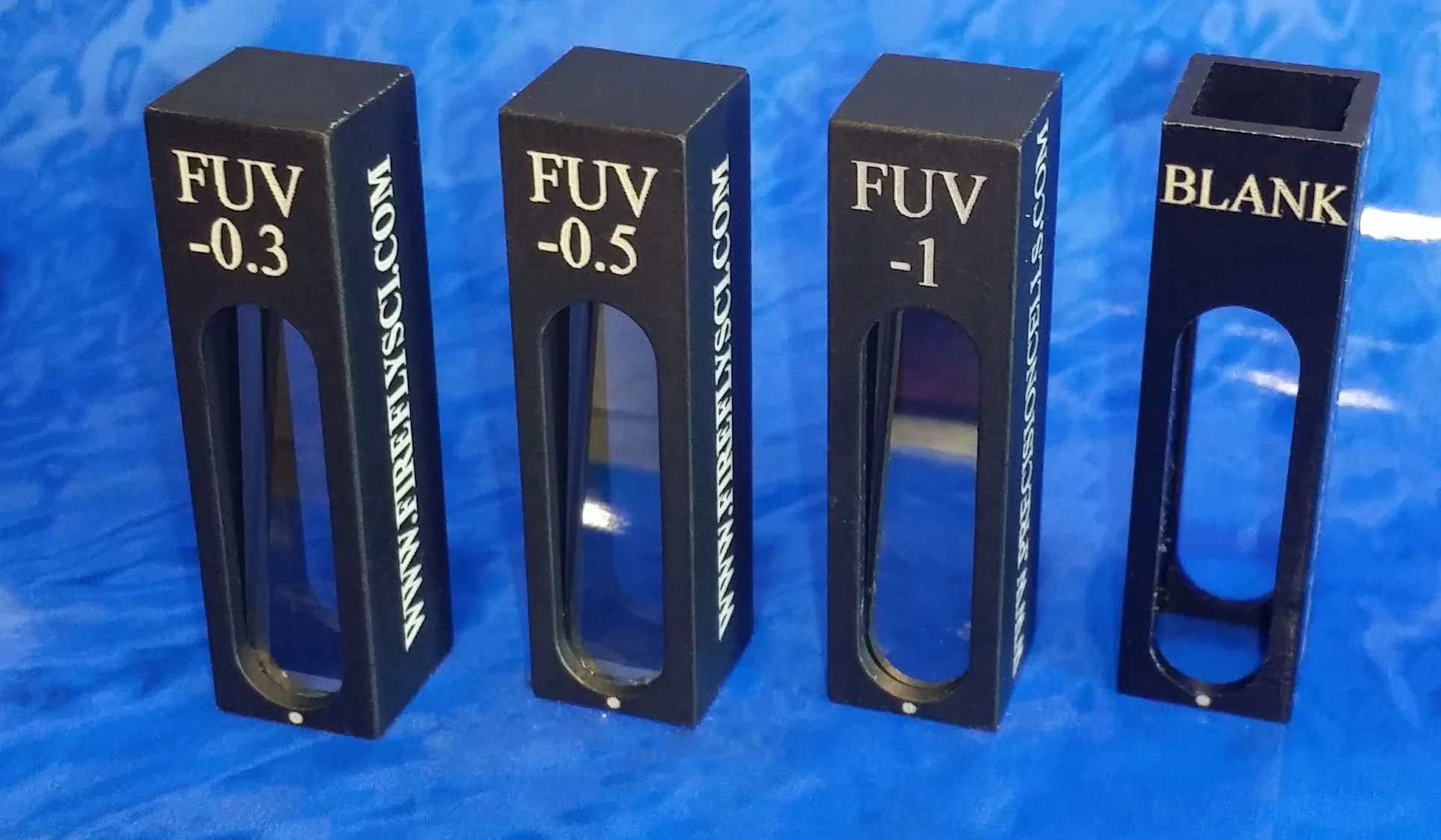
Type 0005-0078 Quanta-Ray Dye Laser Cell
Designed for compatibility with Quanta-Ray dye laser systems, this cuvette provides consistent optical alignment and stable beam transmission—essential for pulsed amplification stages.Type 0210 Flow-Through Dye Laser Cell (17 mm Lightpath)
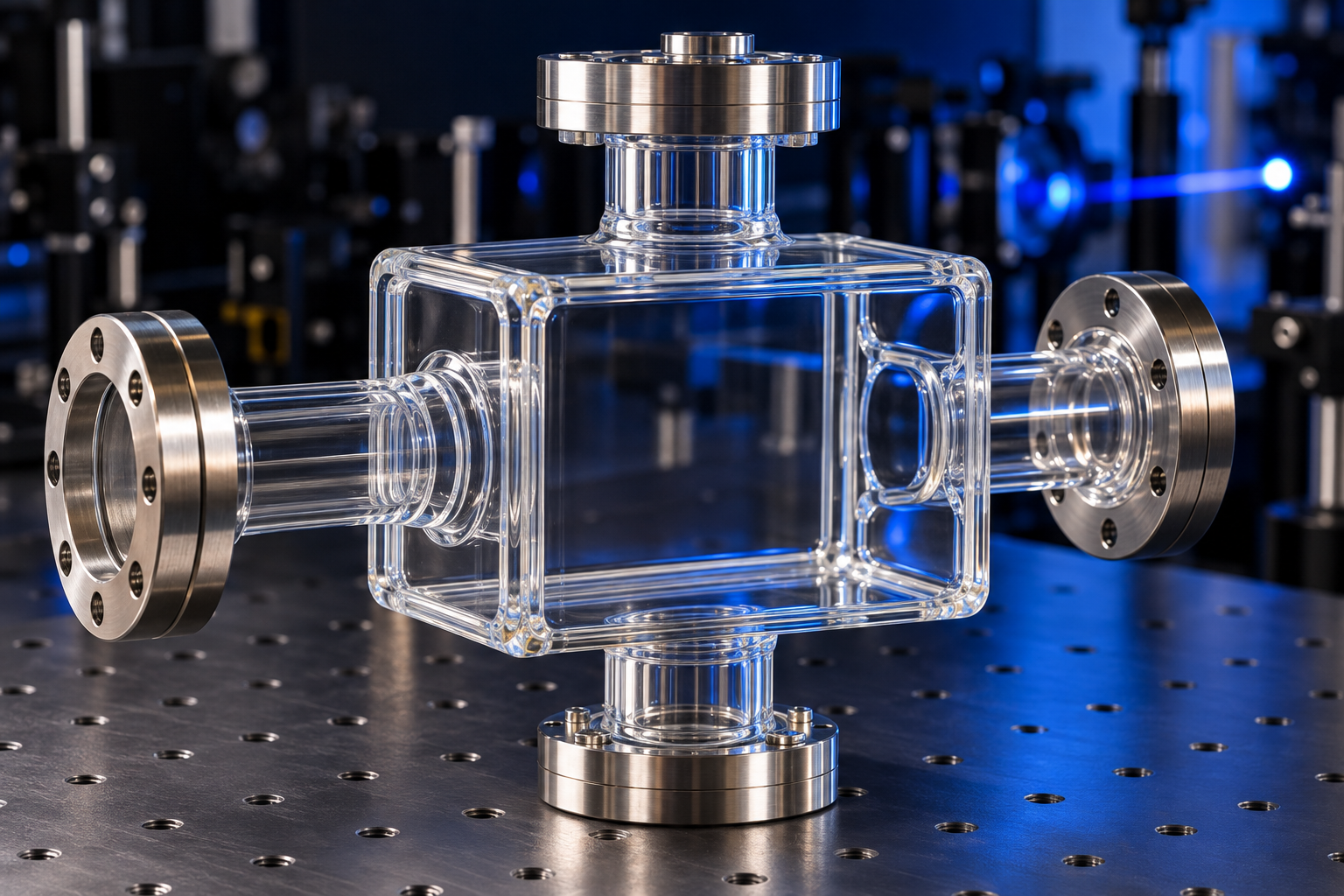
The flow-through design supports continuous dye circulation and thermal management, helping maintain performance during extended lidar runs in Antarctica.
In a PDA system, even micron-level deviations in cuvette geometry can impact gain, linewidth, and stability. These are not passive containers—they are active optical components.
Dye Laser Cells in Action: From the Lab to the Ice
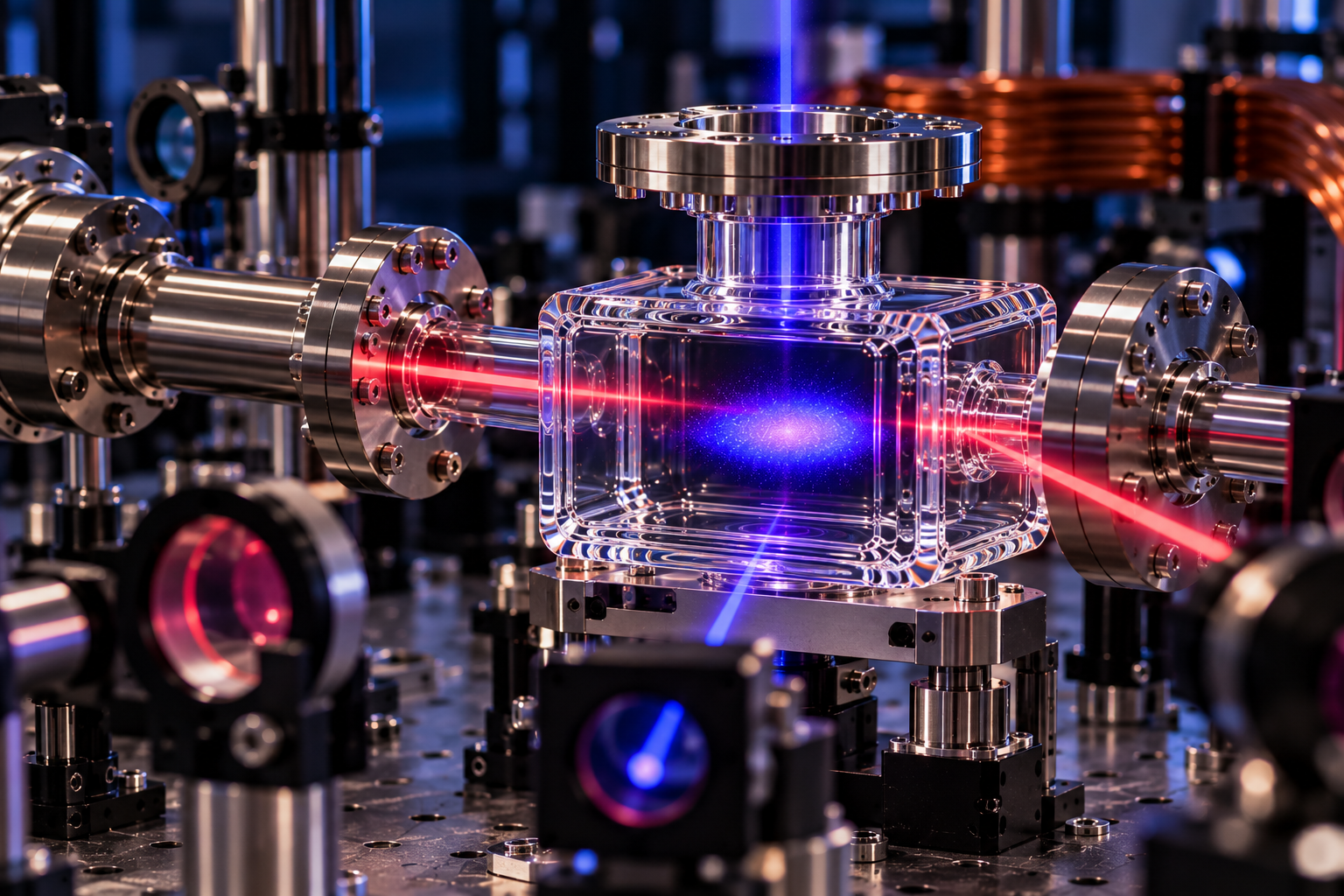
Before a laser ever points skyward in Antarctica, it is tuned and tested in the laboratory. Dye laser cells are aligned within complex optical assemblies where beam overlap, cavity stability, and dye flow must be carefully optimized.
Whether operating in a controlled lab environment or thousands of miles away on the ice, the role of the dye laser cell remains the same:
convert pump laser energy into stable, wavelength-specific light.
From Yellow Beams to Upper-Atmosphere Discovery
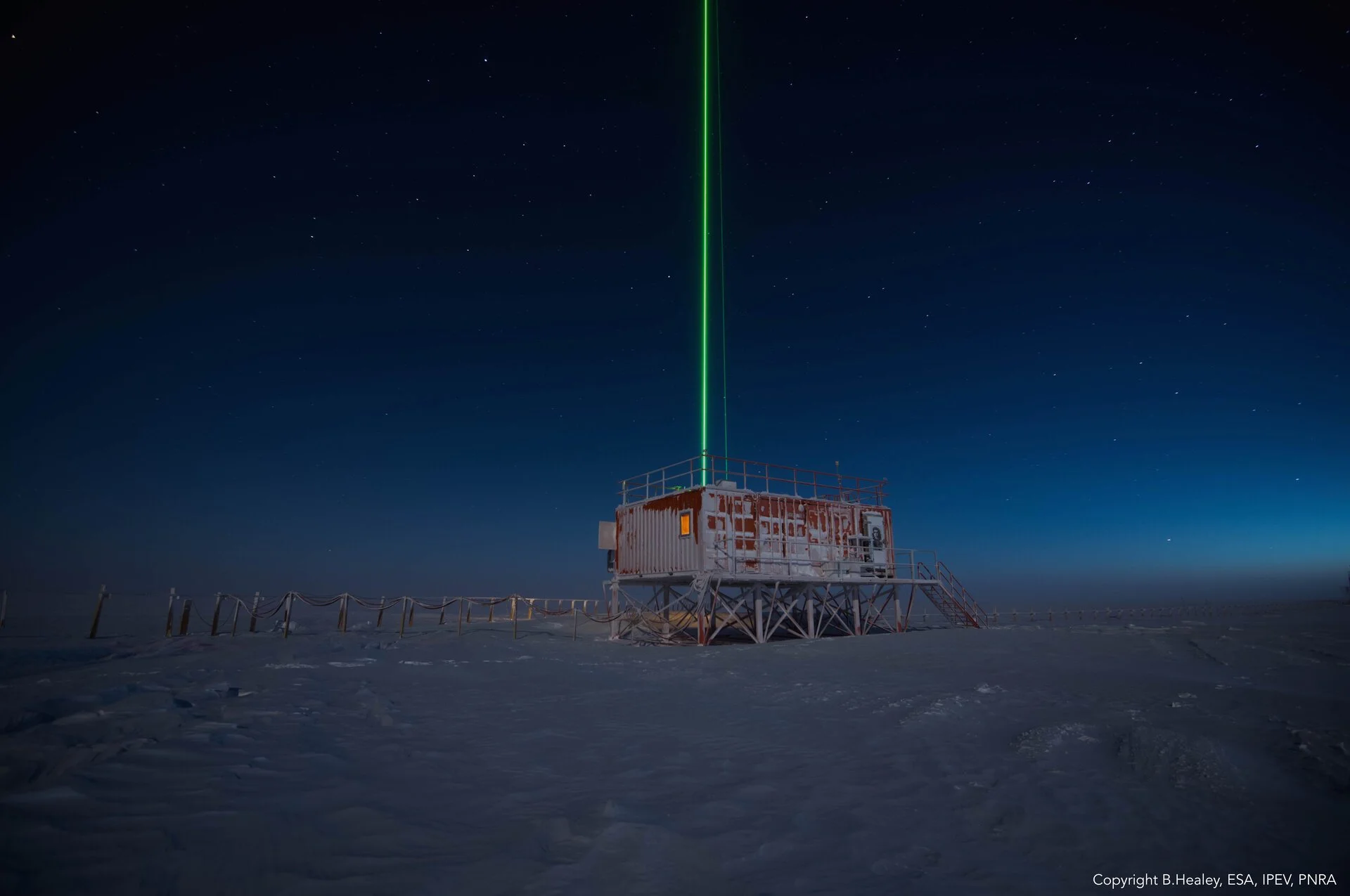
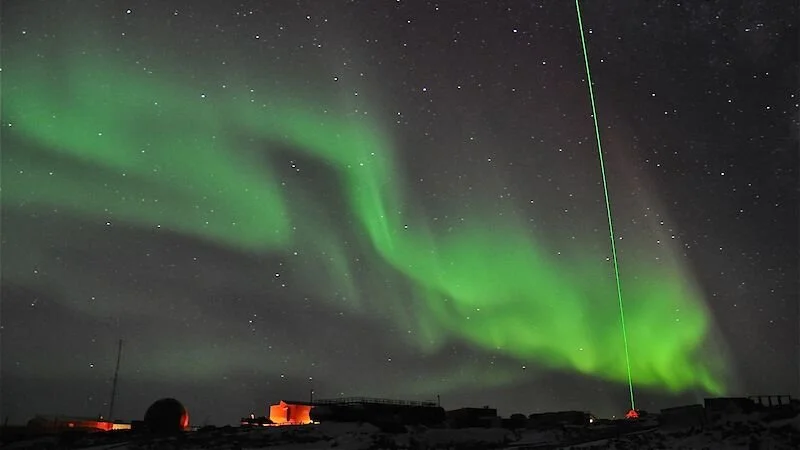
The performance of the STAR Na Doppler LIDAR has enabled observations reaching ~250 km altitude, contributing to world-leading studies of atmospheric waves, metal layers, and space–atmosphere coupling.
While telescopes, detectors, and lasers often take center stage, these measurements depend fundamentally on the integrity of the dye laser cells that generate the sodium-resonant light in the first place.
Science, Environment, and the Human Element


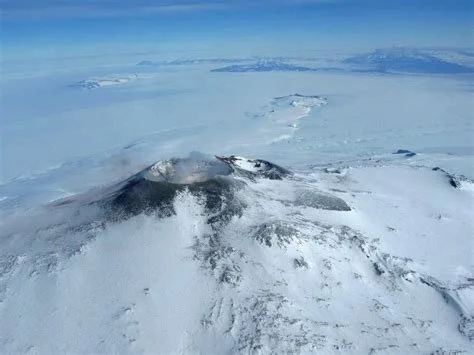
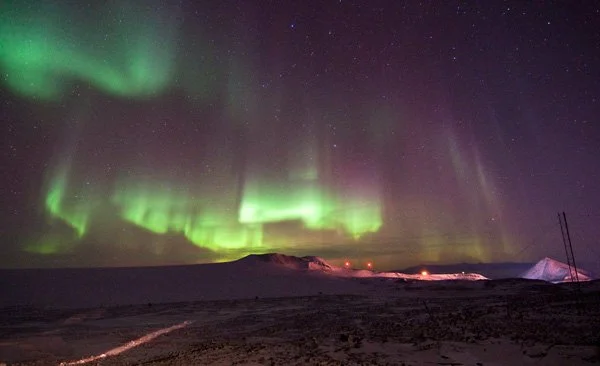
Antarctica offers moments of striking beauty alongside its technical challenges—from wave-like cloud structures to fog spilling over the ice shelf beneath Mount Erebus. These scenes form the backdrop for months of careful instrument operation and scientific discovery.
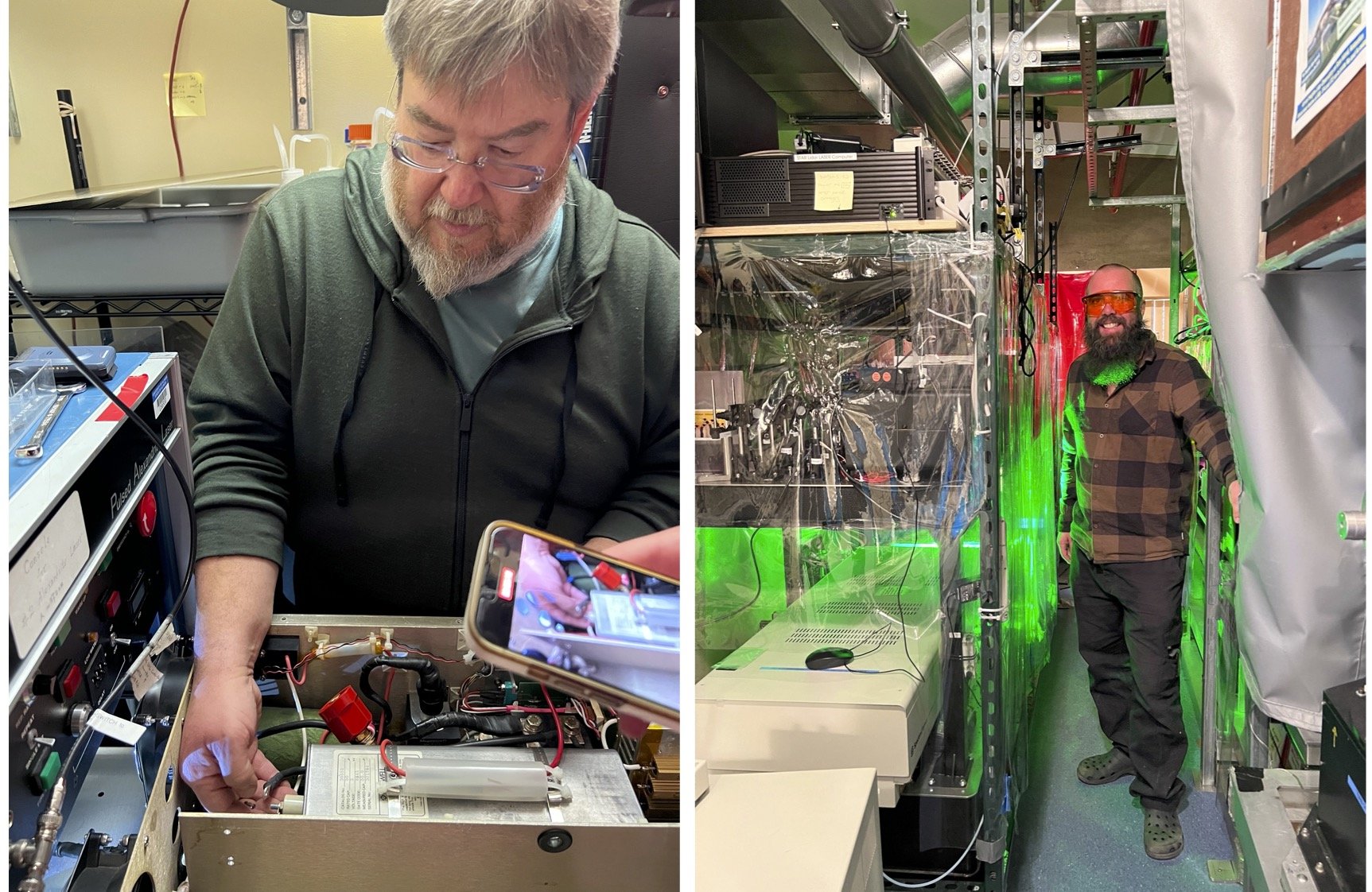
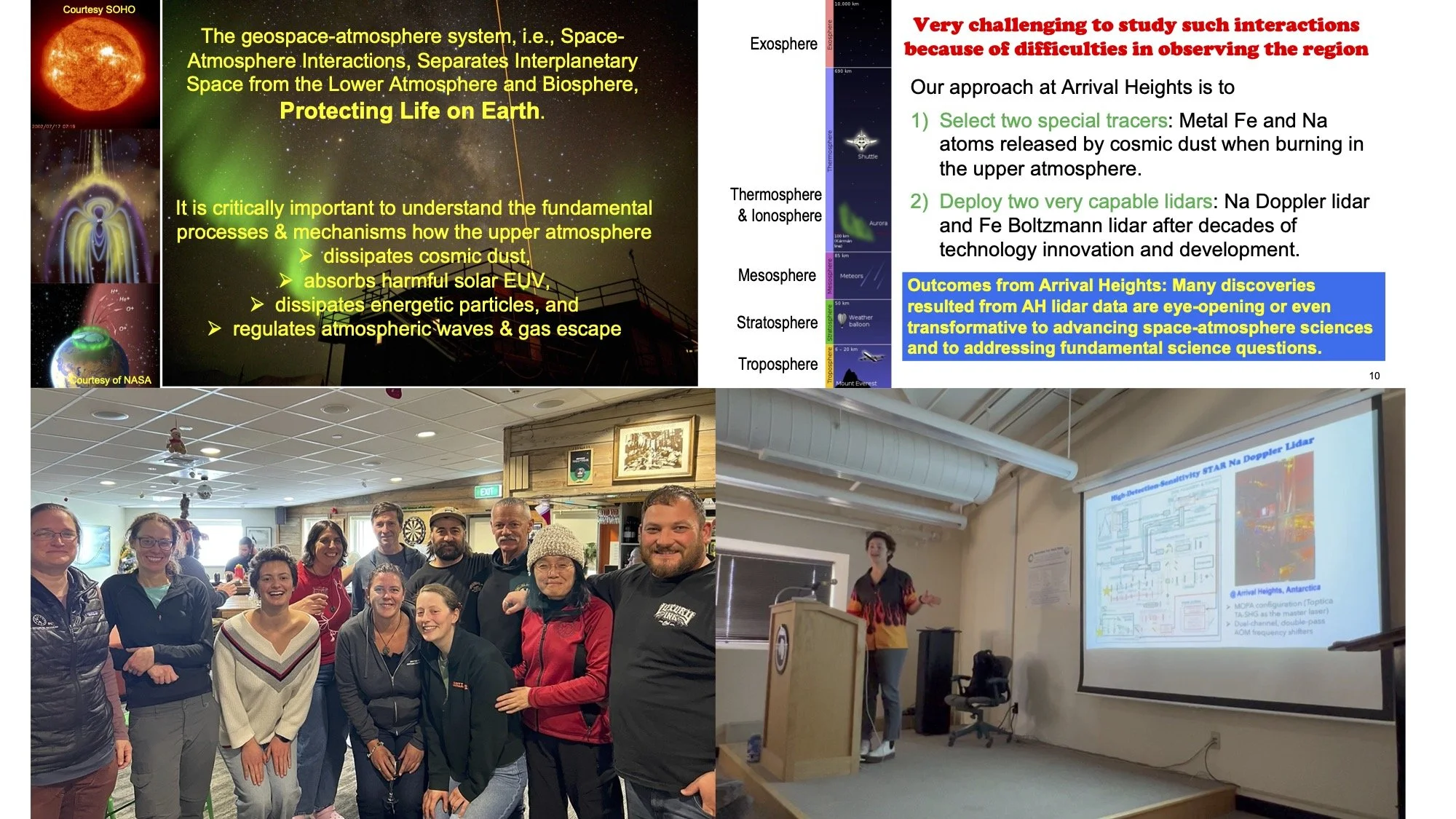
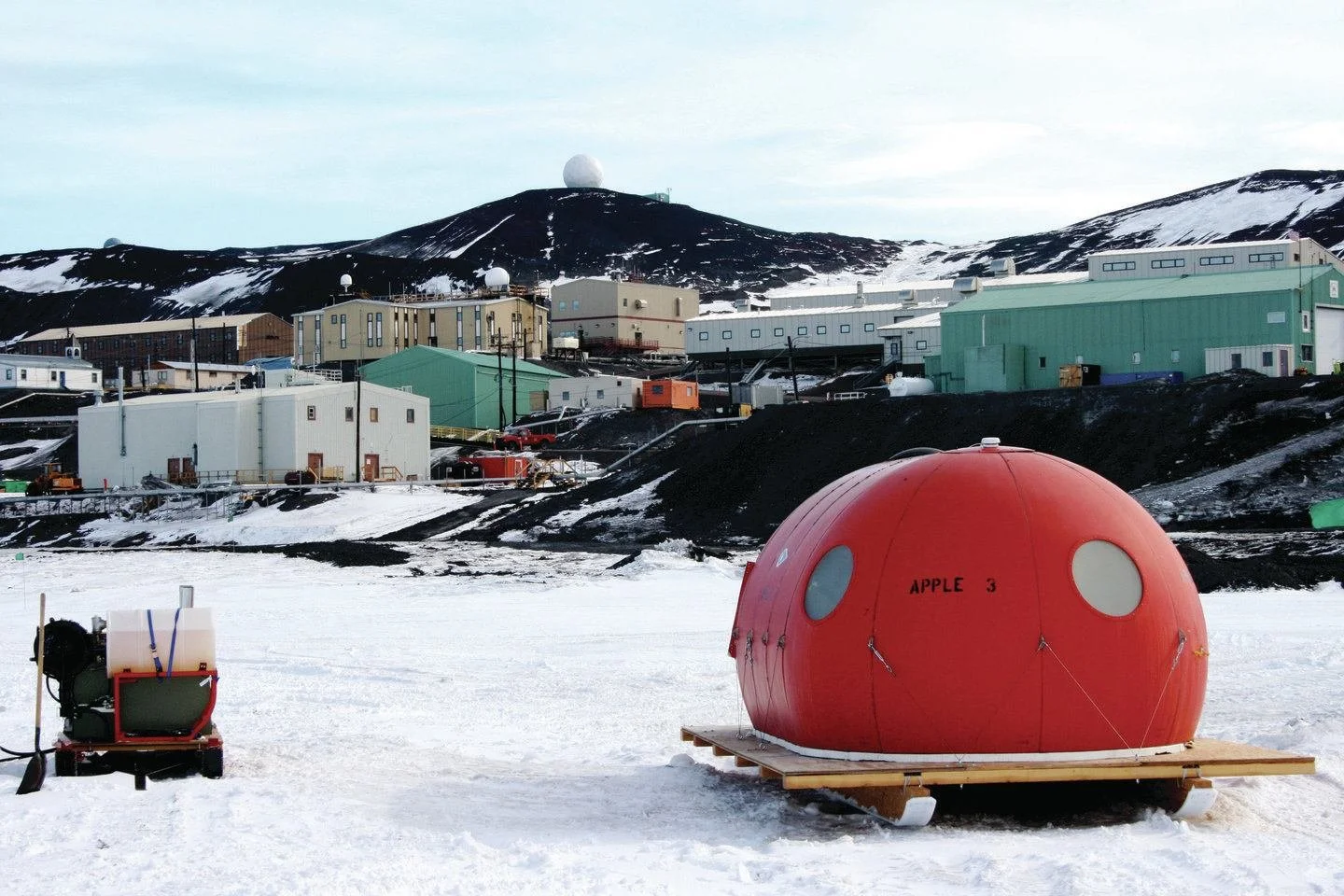
Behind every successful lidar dataset is a dedicated team of scientists, engineers, and students. The 2025–2026 season saw the STAR group fully restore and operate all lidar channels while training the next generation of Antarctic researchers.
FireflySci is honored that our dye laser cells support not only the science, but also the people pushing the boundaries of atmospheric research.
Precision That Travels Anywhere
From laboratory optical tables to the frozen plateau of Antarctica, dye laser cells must perform without compromise. Their optical quality, durability, and dimensional accuracy directly affect system uptime and data quality—especially in environments where replacement is not an option.
We are proud that FireflySci dye laser cells are trusted in the STAR Na Doppler LIDAR, helping transform carefully contained liquid dyes into beams of light that reveal the dynamics of Earth’s upper atmosphere.
Learn more about the research group:
CIRES Chu Group – University of Colorado Boulder
https://cires1.colorado.edu/science/groups/chu/